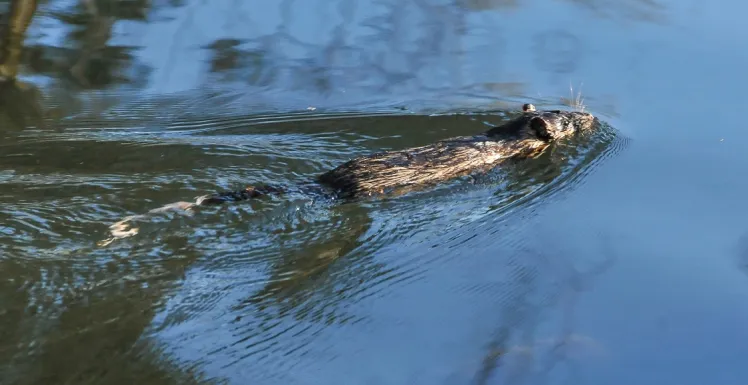
Citizen scientists in Ballarat have been closely observing rakali populations around Lake Wendouree over the past few years, and their work is revealing some fascinating trends. After new pathway lighting was installed around the lake, rakali sightings initially dropped noticeably. However, by the end of 2024, activity appeared to recover, with a small year‑on‑year increase in recorded sightings. Even more encouraging, observers reported a bumper number of sightings toward the end of 2025.
This monitoring is powered by an ever‑growing group of volunteers who survey rakali at eleven different locations around the lake. The program is coordinated by Lissa Ryan, who has dedicated many hours to supporting and organising the effort. It’s inspiring to see so many community members come together with a shared enthusiasm for understanding and protecting one of Australia’s most intriguing native mammals.
Citizen science continues to play a vital role in improving our knowledge of wildlife behaviour and trends. The work happening at Lake Wendouree is a wonderful example of how local passion and careful observation can contribute meaningful data—and strengthen community connection to the natural world.
This information was taken from the Platypus Conservancey Newsletter, if you’d like to receive their newsletter yourself, simply email platypus.apc@westnet.com.au to sign up. You can also visit their website to explore more about both platypus and rakali, two of Australia’s most charismatic semi‑aquatic mammals.